Probiotic strain
The De Simone eight-strain formulation: what this strain is actually good for
Probiotic evidence is strain-specific. What is true of Eight-strain blend is not automatically true of anything else sharing its species name.
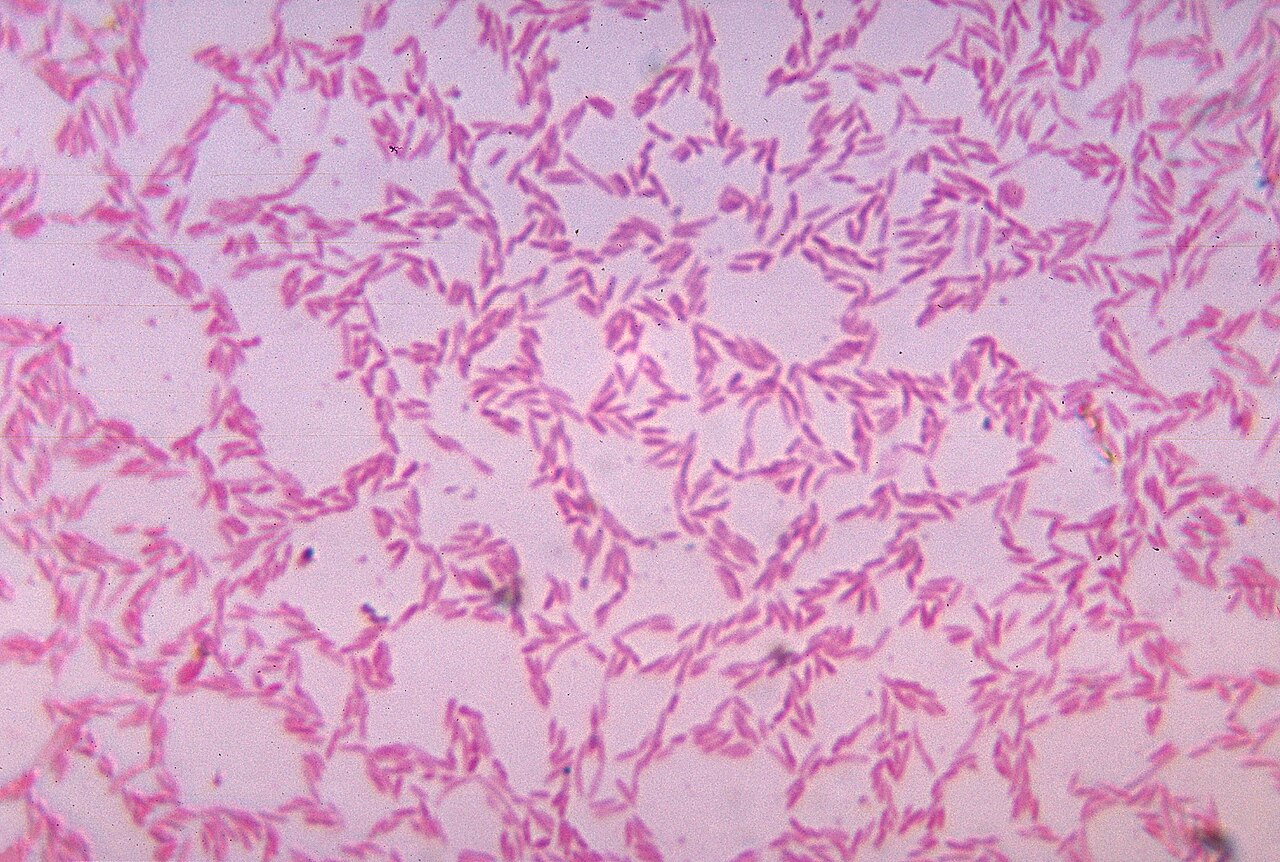

What it has been studied for
The strongest probiotic evidence in IBD, particularly for preventing pouchitis recurrence. [1]
A commercial dispute split the original product from its name, so the branding you buy may not contain the formulation that was trialled. This is the clearest example of why strain and formulation identity matter.
Why the strain code matters
Probiotic effects are strain-specific, and this is not a technicality. Two strains of the same species can differ in which surface proteins they express, whether they survive gastric acid, whether they adhere to intestinal mucus at all, and what they produce once there. A trial demonstrating benefit for Eight-strain blend demonstrates it for Eight-strain blend — not for the species.
The practical consequence is that a label reading only a species name is unverifiable. If the full designation is absent, no published evidence can be attached to what is in the capsule.

Other strains
- Lacticaseibacillus rhamnosus GG — antibiotic-associated diarrhoea, paediatric acute gastroenteritis.
- Saccharomyces boulardii CNCM I-745 — antibiotic-associated diarrhoea, traveller's diarrhoea.
- Bifidobacterium longum 1714 — stress response, subjective anxiety.
- Lactiplantibacillus plantarum 299v — ibs symptoms, iron absorption.
- Bifidobacterium infantis 35624 — ibs.
- Limosilactobacillus reuteri DSM 17938 — infant colic.
What is Eight-strain blend good for?
Can I substitute a different brand of the same species?
Do probiotics survive stomach acid?
Is more CFU better?
References
Every citation below links to the original peer-reviewed record on PubMed or via DOI. Nothing here is a substitute for medical advice.
-
The Correlation Between Carbohydrate Loading Diet and Gut Microbiome: A Systematic Review El-Kholy O, Nichols L, Elsayed AAR, et al. · MicrobiologyOpen · 2025 · Systematic review DOIPubMed 40765268Full text
-
The complex relationship between gut microbiota and Alzheimer's disease: A systematic review Zhou XP, Sun LB, Liu WH, et al. · Ageing research reviews · 2025 · Systematic review DOIPubMed 39662839
-
Effects of Prebiotics and Probiotics on Symptoms of Depression and Anxiety in Clinically Diagnosed Samples: Systematic Review and Meta-analysis of Randomized Controlled Trials Asad A, Kirk M, Zhu S, et al. · Nutrition reviews · 2025 · Meta-analysis DOIPubMed 39731509Full text
-
Gut microbiota variations in depression and anxiety: a systematic review Cao Y, Cheng Y, Pan W, et al. · BMC psychiatry · 2025 · Systematic review DOIPubMed 40312666Full text
-
Exploring the gut-exercise link: A systematic review of gastrointestinal disorders in physical activity Al-Beltagi M, Saeed NK, Bediwy AS, et al. · World journal of gastroenterology · 2025 · Systematic review DOIPubMed 40539198Full text
-
A systematic review of the beneficial effects of prebiotics, probiotics, and synbiotics on ADHD Allahyari P, Abbas Torki S, Aminnezhad Kavkani B, et al. · Neuropsychopharmacology reports · 2024 · Systematic review DOIPubMed 38623929Full text
-
The Microbiota-Gut-Brain Axis in Metabolic Syndrome and Sleep Disorders: A Systematic Review Dos Santos A, Galiè S · Nutrients · 2024 · Systematic review DOIPubMed 38337675Full text
-
Roles of the gut microbiome in weight management Carmody RN, Bisanz JE · Nature reviews. Microbiology · 2023 · Meta-analysis DOIPubMed 37138047Full text
-
Systematic review: Autism spectrum disorder and the gut microbiota Korteniemi J, Karlsson L, Aatsinki A · Acta psychiatrica Scandinavica · 2023 · Systematic review DOIPubMed 37395517
-
Effect of prebiotics, probiotics, synbiotics on depression: results from a meta-analysis Zhang Q, Chen B, Zhang J, et al. · BMC psychiatry · 2023 · Meta-analysis DOIPubMed 37386630Full text