Mechanism
What the gut-brain axis actually is
A real communication system, extensively characterised in rodents, and much less well established in the people it is marketed to.
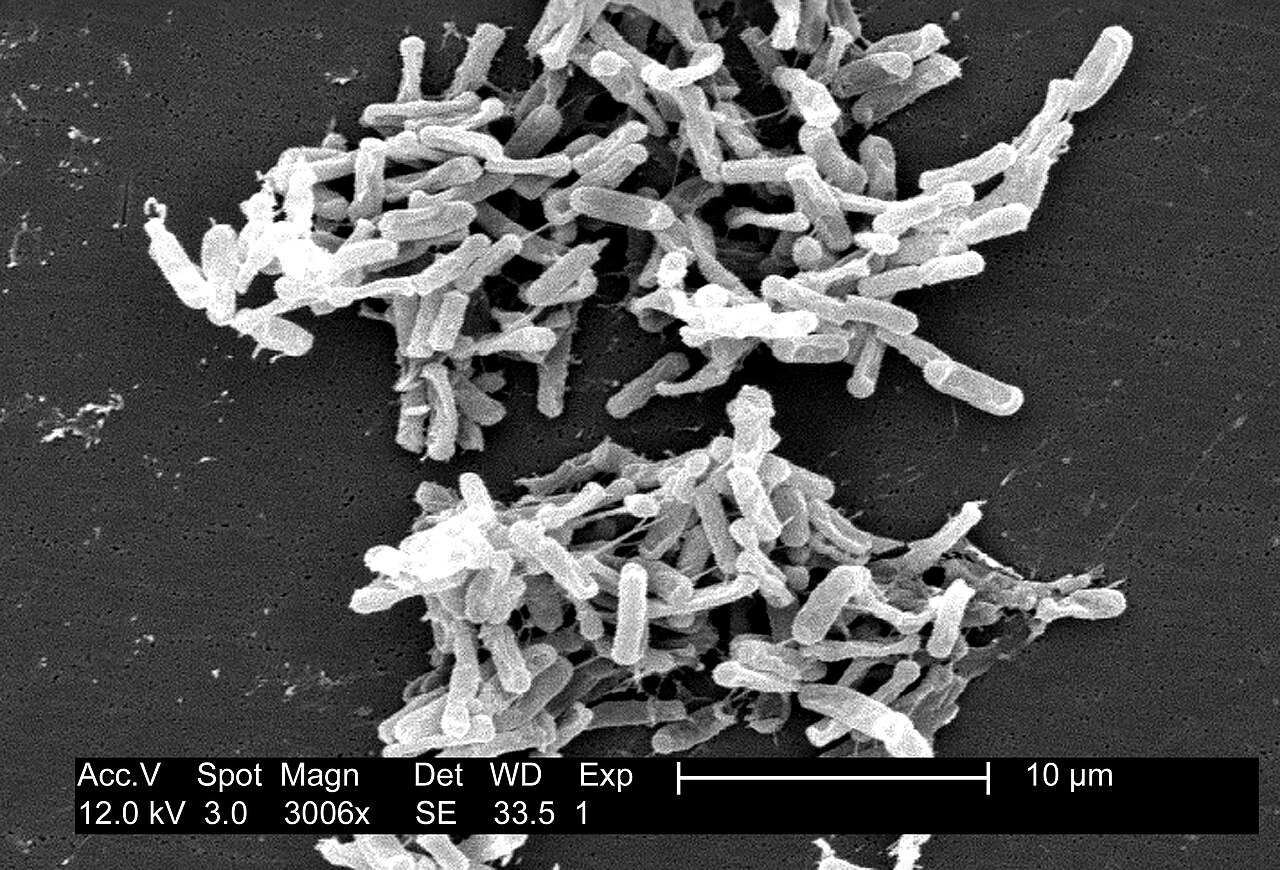

The pathways
| Pathway | Mechanism | Evidence in humans |
|---|---|---|
| Vagus nerve | Afferent fibres carry gut signals to the brainstem | Established anatomically; causal role harder to test |
| Microbial metabolites | Short-chain fatty acids and neurotransmitter precursors enter circulation | Measurable; downstream effects unclear |
| Immune signalling | Gut permeability and inflammatory cytokines | Associations established; direction contested |
| HPA axis | Stress hormones alter gut function and vice versa | Bidirectional and well documented |
| Enteric nervous system | Intrinsic gut neurons operating semi-independently | Well characterised |
None of this is fringe. The enteric nervous system contains hundreds of millions of neurons and functions with substantial autonomy. Gut state affects mood and mood affects gut function, as anyone who has been nervous before an exam already knows.
Gut-brain communication pathways
The direction problem
Systematic review finds microbiota differences between people with depression or anxiety and controls [2]. The question that decides everything is which way the arrow points.
Depression changes what people eat, how much they move, how they sleep and often what medication they take. Every one of those changes the microbiome. A difference in microbial composition is therefore exactly what you would expect if depression causes microbiome change and the microbiome does nothing at all.
The same difficulty applies to the metabolic syndrome literature [3] and to the autism work [4], where dietary selectivity is common and would produce microbiome differences on its own.
What would settle it
Randomised trials of defined microbiome interventions with clinical endpoints, adequate duration and adequate sample size. Those are beginning to appear and are the reason this page will change. Until then, the honest position is that the axis exists and the consumer applications built on it are unproven — see probiotics.
Common questions
Is the gut really a "second brain"?
Does 90% of serotonin come from the gut?
Can changing my diet change my mood through my gut?
What should I actually do?

Related reading
References
Every citation below links to the original peer-reviewed record on PubMed or via DOI. Nothing here is a substitute for medical advice.
-
The complex relationship between gut microbiota and Alzheimer's disease: A systematic review Zhou XP, Sun LB, Liu WH, et al. · Ageing research reviews · 2025 · Systematic review DOIPubMed 39662839
-
Gut microbiota variations in depression and anxiety: a systematic review Cao Y, Cheng Y, Pan W, et al. · BMC psychiatry · 2025 · Systematic review DOIPubMed 40312666Full text
-
Exploring the gut-exercise link: A systematic review of gastrointestinal disorders in physical activity Al-Beltagi M, Saeed NK, Bediwy AS, et al. · World journal of gastroenterology · 2025 · Systematic review DOIPubMed 40539198Full text
-
The Microbiota-Gut-Brain Axis in Metabolic Syndrome and Sleep Disorders: A Systematic Review Dos Santos A, Galiè S · Nutrients · 2024 · Systematic review DOIPubMed 38337675Full text
-
Systematic review: Autism spectrum disorder and the gut microbiota Korteniemi J, Karlsson L, Aatsinki A · Acta psychiatrica Scandinavica · 2023 · Systematic review DOIPubMed 37395517
-
Microbiota in Autism Spectrum Disorder: A Systematic Review Lewandowska-Pietruszka Z, Figlerowicz M, Mazur-Melewska K · International journal of molecular sciences · 2023 · Systematic review DOIPubMed 38068995Full text
-
The gut microbiota-brain axis, psychobiotics and its influence on brain and behaviour: A systematic review Barrio C, Arias-Sánchez S, Martín-Monzón I · Psychoneuroendocrinology · 2022 · Systematic review DOIPubMed 34942539
-
The Gut Microbiome in Depression and Potential Benefit of Prebiotics, Probiotics and Synbiotics: A Systematic Review of Clinical Trials and Observational Studies Alli SR, Gorbovskaya I, Liu JCW, et al. · International journal of molecular sciences · 2022 · Systematic review DOIPubMed 35562885Full text
-
The gut microbiota in anxiety and depression - A systematic review Simpson CA, Diaz-Arteche C, Eliby D, et al. · Clinical psychology review · 2021 · Systematic review DOIPubMed 33271426
-
Probiotics for Alzheimer's Disease: A Systematic Review Naomi R, Embong H, Othman F, et al. · Nutrients · 2021 · Systematic review DOIPubMed 35010895Full text
-
Mediterranean diet, gut microbiota, and cognitive decline in older adults with obesity/overweight and metabolic syndrome: a prospective cohort study Ni J, Hernández-Cacho A, Nishi SK, et al. · BMC medicine · 2025 · Randomised controlled trial DOIPubMed 41327300Full text
-
Probiotic Supplementation Improves Cognitive Function and Mood with Changes in Gut Microbiota in Community-Dwelling Older Adults: A Randomized, Double-Blind, Placebo-Controlled, Multicenter Trial Kim CS, Cha L, Sim M, et al. · The journals of gerontology. Series A, Biological sciences and medical sciences · 2021 · Randomised controlled trial DOIPubMed 32300799Full text
-
The gut microbiota-immune-brain axis: Therapeutic implications O'Riordan KJ, Moloney GM, Keane L, et al. · Cell reports. Medicine · 2025 · Review DOIPubMed 40054458Full text
-
The microbiota-gut-brain axis and neurodevelopmental disorders Wang Q, Yang Q, Liu X · Protein & cell · 2023 · Review DOIPubMed 37166201Full text
-
The Microbiota-Gut-Brain Axis in Psychiatric Disorders Góralczyk-Bińkowska A, Szmajda-Krygier D, Kozłowska E · International journal of molecular sciences · 2022 · Review DOIPubMed 36232548Full text
-
Human gut microbiota/microbiome in health and diseases: a review Gomaa EZ · Antonie van Leeuwenhoek · 2020 · Review DOIPubMed 33136284
-
The Microbiota-Gut-Brain Axis Cryan JF, O'Riordan KJ, Cowan CSM, et al. · Physiological reviews · 2019 · Review DOIPubMed 31460832