Mekanizmi
Çfarë është në të vërtetë aksesi zorrë-tru
Një sistem i vërtetë komunikimi, i karakterizuar gjerësisht te rodentët, dhe shumë më pak i vendosur te njerëzit për të cilët është tregtuar.
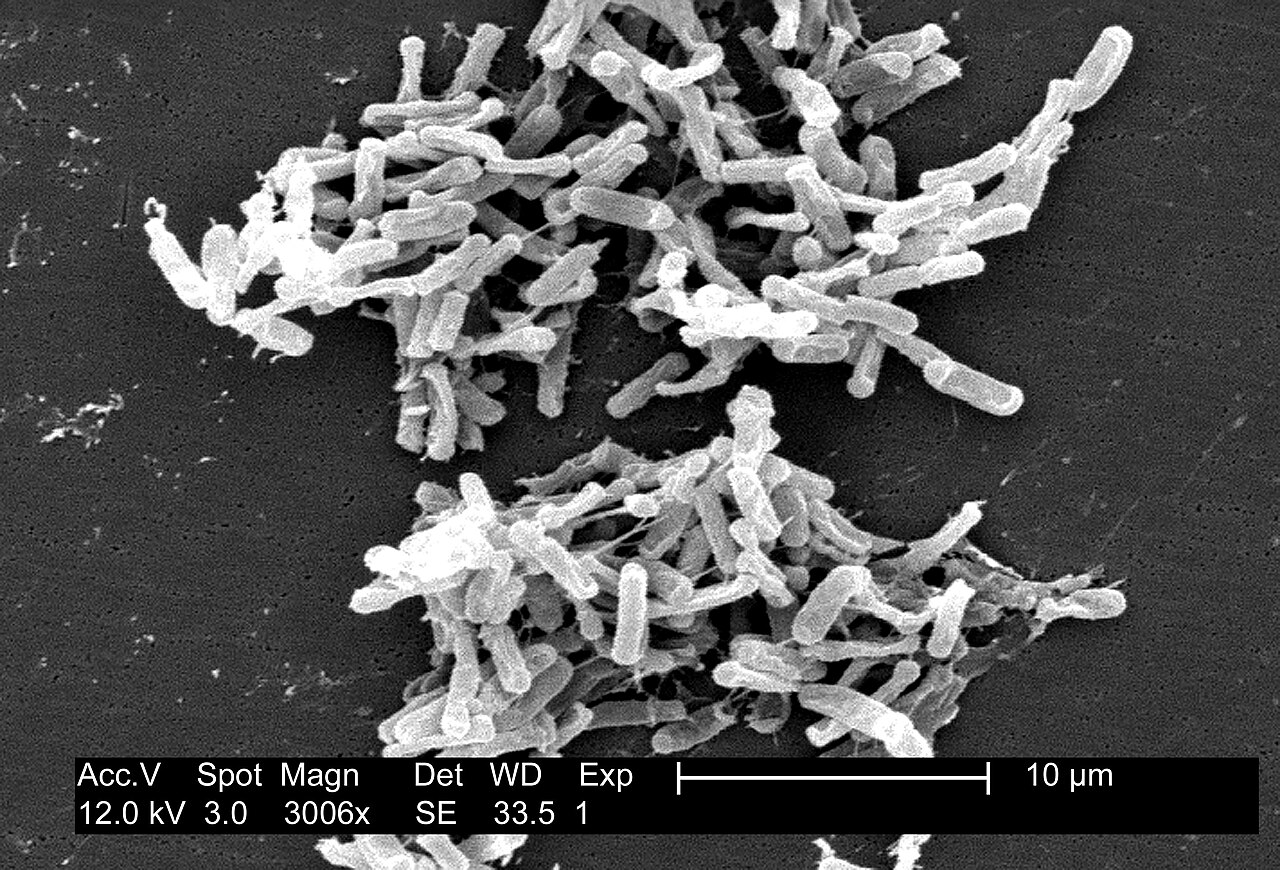

Rrugët
| Rruga | Mekanizmi | Dëshmia te njerëzit |
|---|---|---|
| Nervi vagal | Fibra aferente përcjellin sinjalet e zorrës në trurin e poshtëm | E vendosur anatomikisht; roli shkakësor është më i vështirë për t'u testuar |
| Metabolitet mikrobiologjike | Acidet yndyrore me zinxhir të shkurtër dhe pararendësit e neurotransmetuesve hyjnë në qarkullim | Të matshme; efektet në vazhdim janë të paqarta |
| Sinjalizimi imunitar | Permeabiliteti i zorrës dhe citokinat inflamatore | Asociacionet e vendosura; drejtimi i kontestuar |
| Aksi HPA | Hormonet e stresit ndryshojnë funksionin e zorrës dhe anasjelltas | Bidireksionale dhe e dokumentuar mirë |
| Sistemi nervor enterik | Neurone të brendshme të zorrës që funksionojnë gjysmë në mënyrë të pavarur | E karakterizuar mirë |
Asgjë nga kjo nuk është periferike. Sistemi nervor enterik përmban qindra miliona neurone dhe funksionon me autonomi të konsiderueshme. Gjendja e zorrës ndikon në humor dhe humori ndikon në funksionin e zorrës, siç e di kushdo që ka qenë nervoz para një provimi.
Rrugët e komunikimit zorrë-tru
Problemi i drejtimit
Rishikimi sistematik gjen ndryshime të mikrobiotës midis njerëzve me depresion ose ankth dhe kontrollit [2]. Pyetja që vendos gjithçka është se në cilin drejtim tregon shigjeta.
Depresioni ndryshon atë që hanë njerëzit, sa shumë lëvizin, si flenë dhe shpesh çfarë medikamenti marrin. Çdo një nga ato ndryshon mikrobiomën. Një ndryshim në përbërjen mikrobiologjike është, pra, pikërisht ajo që do të prisnit nëse depresioni shkakton ndryshimin e mikrobiomës dhe mikrobioma nuk bën asgjë fare.
E njëjta vështirësi vlen për literaturën e sindromës metabolike [3] dhe për punën mbi autizmin [4], ku selektiviteti dietik është i zakonshëm dhe do të prodhonte ndryshime në mikrobiomë vetë.
Çfarë do ta zgjidhte atë
Provime të rastësishme të ndërhyrjeve të mikrobiomës të përcaktuara me përfundime klinike, kohëzgjatje të mjaftueshme dhe madhësi të mjaftueshme të mostrës. Ato po fillojnë të shfaqen dhe janë arsyeja pse kjo faqe do të ndryshojë. Deri atëherë, pozita e sinqertë është se aksesi ekziston dhe aplikimet për konsumatorët të ndërtuara mbi të janë të pa provuara — shih probiotikët.
Pyetje të shpeshta
A është vërtet zorra një "tru i dytë"?
A vjen 90% e serotoninës nga zorra?
A mund ta ndryshojë dieta ime humorin nëpërmjet zorrës?
Çfarë duhet të bëj realisht?

Leximi i lidhur
Referencat
Çdo citim më poshtë lidhet me regjistrin origjinal të rishikuar nga kolegët në PubMed ose përmes DOI. Asgjë këtu nuk është një zëvendësim për këshillën mjekësore.
-
Probiotic, prebiotic, and synbiotic interventions targeting the early-life gut-brain axis: A systematic review of randomized controlled trials Carnazzo SM, Vitello A, Allia F, et al. · Journal of neuroimmunology · 2026 · Systematic review DOIPubMed 42330779
-
The Canadian Network for Mood and Anxiety Treatments Task Force Recommendations for the Use of Probiotics, Prebiotics, Synbiotics, and Fecal Microbiota Transplants in Adults With Major Depressive Disorder: Recommandations du Groupe de travail du Réseau canadien pour le traitement des troubles de l'humeur et de l'anxiété (Canadian Network for Mood and Anxiety Treatments, CANMAT) concernant l'utilisation des probiotiques, des prébiotiques, des symbiotiques et de la transplantation de microbiote fécal chez les adultes atteints de trouble dépressif majeur Bahji A, Brietzke E, Cooke NCA, et al. · Canadian journal of psychiatry. Revue canadienne de psychiatrie · 2026 · Systematic review DOIPubMed 41252333Full text
-
Fecal Microbiota Transplantation in Parkinson Disease: A Systematic Review, Meta-Analysis, and Meta-Regression Pereira MAOM, Tudella GCN, Klostermann AU, et al. · Neurology · 2026 · Meta-analysis DOIPubMed 42302222
-
Systematic Review and Meta-Analysis of the Efficacy of Fecal Microbiota Transplantation in Parkinson's Disease: An Exploration Based on UPDRS and Cognitive Scores Liang B, Zou J, Mao X, et al. · Revista de neurologia · 2026 · Meta-analysis DOIPubMed 42411731Full text
-
The complex relationship between gut microbiota and Alzheimer's disease: A systematic review Zhou XP, Sun LB, Liu WH, et al. · Ageing research reviews · 2025 · Systematic review DOIPubMed 39662839
-
Gut microbiota variations in depression and anxiety: a systematic review Cao Y, Cheng Y, Pan W, et al. · BMC psychiatry · 2025 · Systematic review DOIPubMed 40312666Full text
-
Exploring the gut-exercise link: A systematic review of gastrointestinal disorders in physical activity Al-Beltagi M, Saeed NK, Bediwy AS, et al. · World journal of gastroenterology · 2025 · Systematic review DOIPubMed 40539198Full text
-
The Microbiota-Gut-Brain Axis in Metabolic Syndrome and Sleep Disorders: A Systematic Review Dos Santos A, Galiè S · Nutrients · 2024 · Systematic review DOIPubMed 38337675Full text
-
Systematic review: Autism spectrum disorder and the gut microbiota Korteniemi J, Karlsson L, Aatsinki A · Acta psychiatrica Scandinavica · 2023 · Systematic review DOIPubMed 37395517
-
Microbiota in Autism Spectrum Disorder: A Systematic Review Lewandowska-Pietruszka Z, Figlerowicz M, Mazur-Melewska K · International journal of molecular sciences · 2023 · Systematic review DOIPubMed 38068995Full text
-
The gut microbiota-brain axis, psychobiotics and its influence on brain and behaviour: A systematic review Barrio C, Arias-Sánchez S, Martín-Monzón I · Psychoneuroendocrinology · 2022 · Systematic review DOIPubMed 34942539
-
The Gut Microbiome in Depression and Potential Benefit of Prebiotics, Probiotics and Synbiotics: A Systematic Review of Clinical Trials and Observational Studies Alli SR, Gorbovskaya I, Liu JCW, et al. · International journal of molecular sciences · 2022 · Systematic review DOIPubMed 35562885Full text
-
The gut microbiota in anxiety and depression - A systematic review Simpson CA, Diaz-Arteche C, Eliby D, et al. · Clinical psychology review · 2021 · Systematic review DOIPubMed 33271426
-
Probiotics for Alzheimer's Disease: A Systematic Review Naomi R, Embong H, Othman F, et al. · Nutrients · 2021 · Systematic review DOIPubMed 35010895Full text
-
The Role of Bacteria and Its Derived Metabolites in Chronic Pain and Depression: Recent Findings and Research Progress Li S, Hua D, Wang Q, et al. · The international journal of neuropsychopharmacology · 2020 · Systematic review DOIPubMed 31760425Full text
-
From probiotics to psychobiotics - the gut-brain axis in psychiatric disorders Zagórska A, Marcinkowska M, Jamrozik M, et al. · Beneficial microbes · 2020 · Meta-analysis DOIPubMed 33191776
-
Investigating the effects of synbiotic intervention on working memory, attention, and inhibitory control in healthy young women Salimi Y, Namdarzadeh B, Dehghani-Arani F, et al. · Behavioural brain research · 2026 · Randomised controlled trial DOIPubMed 42361860
-
Adjunctive psychobiotic Lactiplantibacillus plantarum PS128 ameliorates gastrointestinal comorbidities and alters circulating miRNAs and gut microbiota in children with Tourette syndrome: a randomized controlled trial Chang YT, Hong SY, Lin SS, et al. · Food & function · 2026 · Randomised controlled trial DOIPubMed 42626970
-
VSL#3(®) supplementation improves fatigue in long COVID: results from the DELong#3 randomized placebo-controlled trial Amoroso C, Marinoni B, Maragno P, et al. · British journal of biomedical science · 2026 · Randomised controlled trial DOIPubMed 42577968Full text
-
Mediterranean diet, gut microbiota, and cognitive decline in older adults with obesity/overweight and metabolic syndrome: a prospective cohort study Ni J, Hernández-Cacho A, Nishi SK, et al. · BMC medicine · 2025 · Randomised controlled trial DOIPubMed 41327300Full text
-
A Randomized Controlled Trial of Probiotics Targeting Gut Dysbiosis in Huntington's Disease Wasser CI, Mercieca EC, Kong G, et al. · Journal of Huntington's disease · 2023 · Randomised controlled trial DOIPubMed 37005888
-
Probiotic Supplementation Improves Cognitive Function and Mood with Changes in Gut Microbiota in Community-Dwelling Older Adults: A Randomized, Double-Blind, Placebo-Controlled, Multicenter Trial Kim CS, Cha L, Sim M, et al. · The journals of gerontology. Series A, Biological sciences and medical sciences · 2021 · Randomised controlled trial DOIPubMed 32300799Full text
-
Interleukin-6 Gene Expression Changes after a 4-Week Intake of a Multispecies Probiotic in Major Depressive Disorder-Preliminary Results of the PROVIT Study Reiter A, Bengesser SA, Hauschild AC, et al. · Nutrients · 2020 · Randomised controlled trial DOIPubMed 32858844Full text
-
The gut microbiota-immune-brain axis: Therapeutic implications O'Riordan KJ, Moloney GM, Keane L, et al. · Cell reports. Medicine · 2025 · Review DOIPubMed 40054458Full text
-
Gut microbiome-targeted therapies for Alzheimer's disease Zhang T, Gao G, Kwok LY, et al. · Gut microbes · 2023 · Review DOIPubMed 37934614Full text
-
The microbiota-gut-brain axis and neurodevelopmental disorders Wang Q, Yang Q, Liu X · Protein & cell · 2023 · Review DOIPubMed 37166201Full text
-
Obesity and gut-microbiota-brain axis: A narrative review Asadi A, Shadab Mehr N, Mohamadi MH, et al. · Journal of clinical laboratory analysis · 2022 · Review DOIPubMed 35421277Full text
-
The Microbiota-Gut-Brain Axis in Psychiatric Disorders Góralczyk-Bińkowska A, Szmajda-Krygier D, Kozłowska E · International journal of molecular sciences · 2022 · Review DOIPubMed 36232548Full text
-
Human gut microbiota/microbiome in health and diseases: a review Gomaa EZ · Antonie van Leeuwenhoek · 2020 · Review DOIPubMed 33136284
-
The Microbiota-Gut-Brain Axis Cryan JF, O'Riordan KJ, Cowan CSM, et al. · Physiological reviews · 2019 · Review DOIPubMed 31460832