Meccanismo
Cos'è realmente l'asse intestino-cervello
Un vero sistema di comunicazione, ampiamente caratterizzato nei roditori, e molto meno ben stabilito nelle persone a cui è commercializzato.
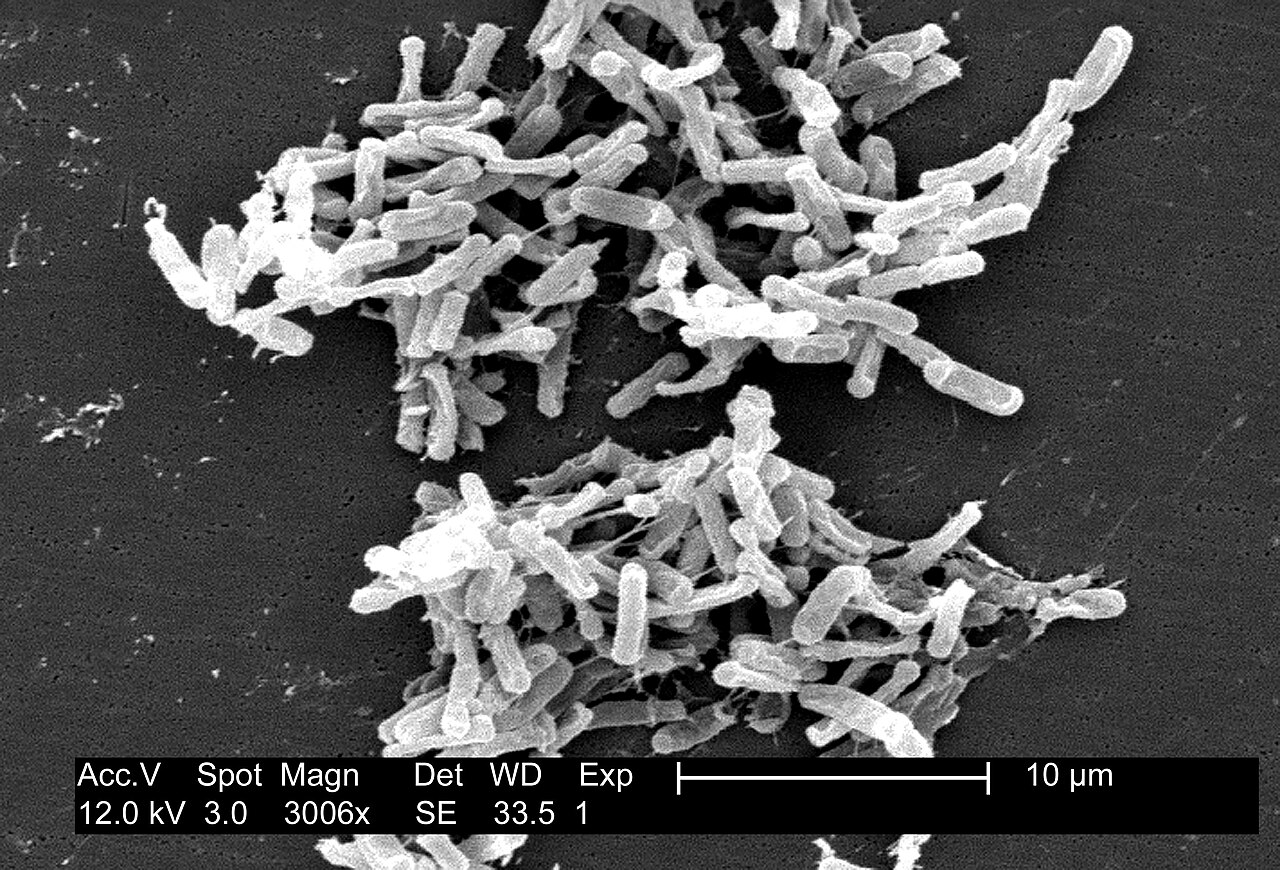

Le vie
| Via | Meccanismo | Evidenza negli esseri umani |
|---|---|---|
| Nervo vago | Le fibre afferenti portano segnali intestinali al tronco encefalico | Stabilito anatomicamente; il ruolo causale è più difficile da testare |
| Metaboliti microbici | Gli acidi grassi a catena corta e i precursori dei neurotrasmettitori entrano nella circolazione | Misurabile; effetti a valle poco chiari |
| Segnalazione immunitaria | Permeabilità intestinale e citochine infiammatorie | Associazioni stabilite; direzione contestata |
| Asse HPA | Gli ormoni dello stress alterano la funzione intestinale e viceversa | Bidirezionale e ben documentato |
| Sistema nervoso enterico | Neuroni intestinali intrinseci che operano semi-indipendentemente | Ben caratterizzato |
Niente di tutto questo è marginale. Il sistema nervoso enterico contiene centinaia di milioni di neuroni e funziona con una notevole autonomia. Lo stato dell'intestino influisce sull'umore e l'umore influisce sulla funzione intestinale, come chiunque sia stato nervoso prima di un esame sa già.
Vie di comunicazione intestino-cervello
Il problema della direzione
Una revisione sistematica trova differenze nel microbiota tra persone con depressione o ansia e controlli [2]. La domanda che decide tutto è in quale direzione punta la freccia.
La depressione cambia ciò che le persone mangiano, quanto si muovono, come dormono e spesso quale medicazione assumono. Ognuno di questi cambia il microbioma. Una differenza nella composizione microbica è quindi esattamente ciò che ci si aspetterebbe se la depressione causa un cambiamento del microbioma e il microbioma non fa nulla.
La stessa difficoltà si applica alla letteratura sulla sindrome metabolica [3] e al lavoro sull'autismo [4], dove la selettività dietetica è comune e produrrebbe differenze nel microbioma da sola.
Cosa risolverebbe la questione
Studi randomizzati di interventi microbiotici definiti con endpoint clinici, durata adeguata e dimensione del campione adeguata. Questi stanno iniziando a comparire e sono la ragione per cui questa pagina cambierà. Fino ad allora, la posizione onesta è che l'asse esiste e le applicazioni per i consumatori costruite su di esso sono non dimostrate — vedi probiotici.
Domande frequenti
L'intestino è davvero un "secondo cervello"?
Il 90% della serotonina proviene davvero dall'intestino?
Cambiare la dieta può cambiare l'umore attraverso l'intestino?
Cosa dovrei fare in pratica?

Letture correlate
Riferimenti
Ogni citazione qui sotto rimanda al record originale sottoposto a revisione paritaria su PubMed o tramite DOI. Nulla di quanto riportato qui sostituisce il consiglio medico.
-
Probiotic, prebiotic, and synbiotic interventions targeting the early-life gut-brain axis: A systematic review of randomized controlled trials Carnazzo SM, Vitello A, Allia F, et al. · Journal of neuroimmunology · 2026 · Systematic review DOIPubMed 42330779
-
The Canadian Network for Mood and Anxiety Treatments Task Force Recommendations for the Use of Probiotics, Prebiotics, Synbiotics, and Fecal Microbiota Transplants in Adults With Major Depressive Disorder: Recommandations du Groupe de travail du Réseau canadien pour le traitement des troubles de l'humeur et de l'anxiété (Canadian Network for Mood and Anxiety Treatments, CANMAT) concernant l'utilisation des probiotiques, des prébiotiques, des symbiotiques et de la transplantation de microbiote fécal chez les adultes atteints de trouble dépressif majeur Bahji A, Brietzke E, Cooke NCA, et al. · Canadian journal of psychiatry. Revue canadienne de psychiatrie · 2026 · Systematic review DOIPubMed 41252333Full text
-
Fecal Microbiota Transplantation in Parkinson Disease: A Systematic Review, Meta-Analysis, and Meta-Regression Pereira MAOM, Tudella GCN, Klostermann AU, et al. · Neurology · 2026 · Meta-analysis DOIPubMed 42302222
-
Systematic Review and Meta-Analysis of the Efficacy of Fecal Microbiota Transplantation in Parkinson's Disease: An Exploration Based on UPDRS and Cognitive Scores Liang B, Zou J, Mao X, et al. · Revista de neurologia · 2026 · Meta-analysis DOIPubMed 42411731Full text
-
The complex relationship between gut microbiota and Alzheimer's disease: A systematic review Zhou XP, Sun LB, Liu WH, et al. · Ageing research reviews · 2025 · Systematic review DOIPubMed 39662839
-
Gut microbiota variations in depression and anxiety: a systematic review Cao Y, Cheng Y, Pan W, et al. · BMC psychiatry · 2025 · Systematic review DOIPubMed 40312666Full text
-
Exploring the gut-exercise link: A systematic review of gastrointestinal disorders in physical activity Al-Beltagi M, Saeed NK, Bediwy AS, et al. · World journal of gastroenterology · 2025 · Systematic review DOIPubMed 40539198Full text
-
The Microbiota-Gut-Brain Axis in Metabolic Syndrome and Sleep Disorders: A Systematic Review Dos Santos A, Galiè S · Nutrients · 2024 · Systematic review DOIPubMed 38337675Full text
-
Systematic review: Autism spectrum disorder and the gut microbiota Korteniemi J, Karlsson L, Aatsinki A · Acta psychiatrica Scandinavica · 2023 · Systematic review DOIPubMed 37395517
-
Microbiota in Autism Spectrum Disorder: A Systematic Review Lewandowska-Pietruszka Z, Figlerowicz M, Mazur-Melewska K · International journal of molecular sciences · 2023 · Systematic review DOIPubMed 38068995Full text
-
The gut microbiota-brain axis, psychobiotics and its influence on brain and behaviour: A systematic review Barrio C, Arias-Sánchez S, Martín-Monzón I · Psychoneuroendocrinology · 2022 · Systematic review DOIPubMed 34942539
-
The Gut Microbiome in Depression and Potential Benefit of Prebiotics, Probiotics and Synbiotics: A Systematic Review of Clinical Trials and Observational Studies Alli SR, Gorbovskaya I, Liu JCW, et al. · International journal of molecular sciences · 2022 · Systematic review DOIPubMed 35562885Full text
-
The gut microbiota in anxiety and depression - A systematic review Simpson CA, Diaz-Arteche C, Eliby D, et al. · Clinical psychology review · 2021 · Systematic review DOIPubMed 33271426
-
Probiotics for Alzheimer's Disease: A Systematic Review Naomi R, Embong H, Othman F, et al. · Nutrients · 2021 · Systematic review DOIPubMed 35010895Full text
-
The Role of Bacteria and Its Derived Metabolites in Chronic Pain and Depression: Recent Findings and Research Progress Li S, Hua D, Wang Q, et al. · The international journal of neuropsychopharmacology · 2020 · Systematic review DOIPubMed 31760425Full text
-
From probiotics to psychobiotics - the gut-brain axis in psychiatric disorders Zagórska A, Marcinkowska M, Jamrozik M, et al. · Beneficial microbes · 2020 · Meta-analysis DOIPubMed 33191776
-
Investigating the effects of synbiotic intervention on working memory, attention, and inhibitory control in healthy young women Salimi Y, Namdarzadeh B, Dehghani-Arani F, et al. · Behavioural brain research · 2026 · Randomised controlled trial DOIPubMed 42361860
-
Adjunctive psychobiotic Lactiplantibacillus plantarum PS128 ameliorates gastrointestinal comorbidities and alters circulating miRNAs and gut microbiota in children with Tourette syndrome: a randomized controlled trial Chang YT, Hong SY, Lin SS, et al. · Food & function · 2026 · Randomised controlled trial DOIPubMed 42626970
-
VSL#3(®) supplementation improves fatigue in long COVID: results from the DELong#3 randomized placebo-controlled trial Amoroso C, Marinoni B, Maragno P, et al. · British journal of biomedical science · 2026 · Randomised controlled trial DOIPubMed 42577968Full text
-
Mediterranean diet, gut microbiota, and cognitive decline in older adults with obesity/overweight and metabolic syndrome: a prospective cohort study Ni J, Hernández-Cacho A, Nishi SK, et al. · BMC medicine · 2025 · Randomised controlled trial DOIPubMed 41327300Full text
-
A Randomized Controlled Trial of Probiotics Targeting Gut Dysbiosis in Huntington's Disease Wasser CI, Mercieca EC, Kong G, et al. · Journal of Huntington's disease · 2023 · Randomised controlled trial DOIPubMed 37005888
-
Probiotic Supplementation Improves Cognitive Function and Mood with Changes in Gut Microbiota in Community-Dwelling Older Adults: A Randomized, Double-Blind, Placebo-Controlled, Multicenter Trial Kim CS, Cha L, Sim M, et al. · The journals of gerontology. Series A, Biological sciences and medical sciences · 2021 · Randomised controlled trial DOIPubMed 32300799Full text
-
Interleukin-6 Gene Expression Changes after a 4-Week Intake of a Multispecies Probiotic in Major Depressive Disorder-Preliminary Results of the PROVIT Study Reiter A, Bengesser SA, Hauschild AC, et al. · Nutrients · 2020 · Randomised controlled trial DOIPubMed 32858844Full text
-
The gut microbiota-immune-brain axis: Therapeutic implications O'Riordan KJ, Moloney GM, Keane L, et al. · Cell reports. Medicine · 2025 · Review DOIPubMed 40054458Full text
-
Gut microbiome-targeted therapies for Alzheimer's disease Zhang T, Gao G, Kwok LY, et al. · Gut microbes · 2023 · Review DOIPubMed 37934614Full text
-
The microbiota-gut-brain axis and neurodevelopmental disorders Wang Q, Yang Q, Liu X · Protein & cell · 2023 · Review DOIPubMed 37166201Full text
-
Obesity and gut-microbiota-brain axis: A narrative review Asadi A, Shadab Mehr N, Mohamadi MH, et al. · Journal of clinical laboratory analysis · 2022 · Review DOIPubMed 35421277Full text
-
The Microbiota-Gut-Brain Axis in Psychiatric Disorders Góralczyk-Bińkowska A, Szmajda-Krygier D, Kozłowska E · International journal of molecular sciences · 2022 · Review DOIPubMed 36232548Full text
-
Human gut microbiota/microbiome in health and diseases: a review Gomaa EZ · Antonie van Leeuwenhoek · 2020 · Review DOIPubMed 33136284
-
The Microbiota-Gut-Brain Axis Cryan JF, O'Riordan KJ, Cowan CSM, et al. · Physiological reviews · 2019 · Review DOIPubMed 31460832