Probiotische stam
De Simone-formule (8 stammen): wat werkt echt?
Het bewijs voor probiotica is stamspecifiek. Wat waar is voor Eight-strain blend, is niet automatisch waar voor iets anders met dezelfde soortnaam.
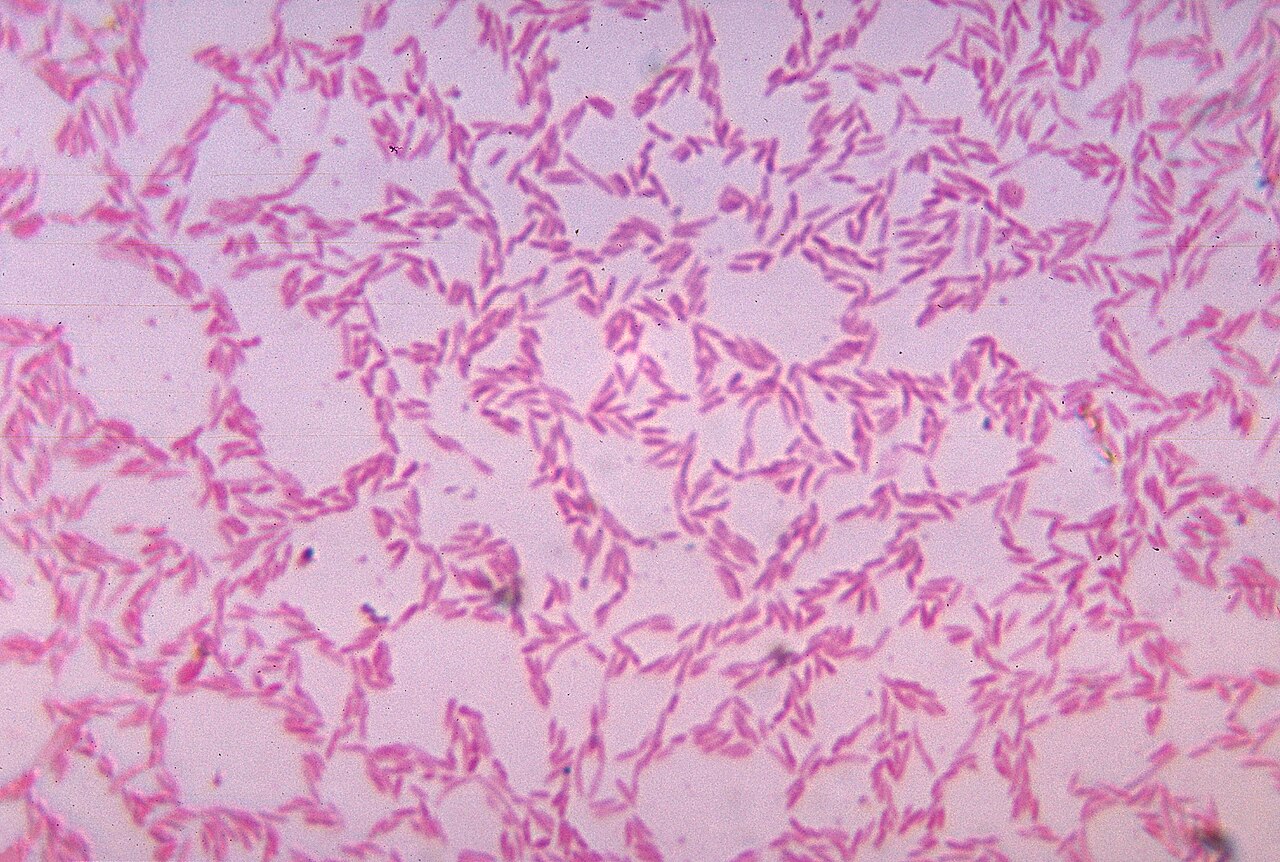

Waarvoor het is onderzocht
Het sterkste probiotica-bewijs bij IBD, met name voor het voorkomen van recidief van pouchitis. [1]
Een commercieel geschil scheidde het oorspronkelijke product van zijn naam, waardoor het merk dat u koopt mogelijk niet de formulering bevat die is onderzocht. Dit is het duidelijkste voorbeeld van waarom de identiteit van stam en formulering ertoe doet.
Waarom de stamcode ertoe doet
Probiotische effecten zijn stamspecifiek, en dit is geen technisch detail. Twee stammen van dezelfde soort kunnen verschillen in welke oppervlakte-eiwitten ze tot expressie brengen, of ze maagzuur overleven, of ze überhaupt hechten aan het darmslijmvlies, en wat ze daar produceren. Een onderzoek dat voordeel aantoont voor Eight-strain blend toont dat aan voor Eight-strain blend — niet voor de soort.
Het praktische gevolg is dat een label met alleen een soortnaam niet te verifiëren is. Als de volledige aanduiding ontbreekt, kan er geen gepubliceerd bewijs worden gekoppeld aan wat er in de capsule zit.

Andere stammen
- Lacticaseibacillus rhamnosus GG — antibiotica-geassocieerde diarree, acute gastro-enteritis bij kinderen.
- Saccharomyces boulardii CNCM I-745 — antibiotica-geassocieerde diarree, reizigersdiarree.
- Bifidobacterium longum 1714 — stressrespons, subjectieve angst.
- Lactiplantibacillus plantarum 299v — pds-klachten, ijzerabsorptie.
- Bifidobacterium infantis 35624 — pds.
- Limosilactobacillus reuteri DSM 17938 — babykrampjes.
Waarvoor is Eight-strain blend goed?
Kan ik een ander merk van dezelfde soort gebruiken als vervanging?
Overleven probiotica maagzuur?
Is meer CFU beter?
References
Every citation below links to the original peer-reviewed record on PubMed or via DOI. Nothing here is a substitute for medical advice.
-
Probiotic, prebiotic, and synbiotic interventions targeting the early-life gut-brain axis: A systematic review of randomized controlled trials Carnazzo SM, Vitello A, Allia F, et al. · Journal of neuroimmunology · 2026 · Systematic review DOIPubMed 42330779
-
The Canadian Network for Mood and Anxiety Treatments Task Force Recommendations for the Use of Probiotics, Prebiotics, Synbiotics, and Fecal Microbiota Transplants in Adults With Major Depressive Disorder: Recommandations du Groupe de travail du Réseau canadien pour le traitement des troubles de l'humeur et de l'anxiété (Canadian Network for Mood and Anxiety Treatments, CANMAT) concernant l'utilisation des probiotiques, des prébiotiques, des symbiotiques et de la transplantation de microbiote fécal chez les adultes atteints de trouble dépressif majeur Bahji A, Brietzke E, Cooke NCA, et al. · Canadian journal of psychiatry. Revue canadienne de psychiatrie · 2026 · Systematic review DOIPubMed 41252333Full text
-
Fecal Microbiota Transplantation in Parkinson Disease: A Systematic Review, Meta-Analysis, and Meta-Regression Pereira MAOM, Tudella GCN, Klostermann AU, et al. · Neurology · 2026 · Meta-analysis DOIPubMed 42302222
-
Systematic Review and Meta-Analysis of the Efficacy of Fecal Microbiota Transplantation in Parkinson's Disease: An Exploration Based on UPDRS and Cognitive Scores Liang B, Zou J, Mao X, et al. · Revista de neurologia · 2026 · Meta-analysis DOIPubMed 42411731Full text
-
The Correlation Between Carbohydrate Loading Diet and Gut Microbiome: A Systematic Review El-Kholy O, Nichols L, Elsayed AAR, et al. · MicrobiologyOpen · 2025 · Systematic review DOIPubMed 40765268Full text
-
The complex relationship between gut microbiota and Alzheimer's disease: A systematic review Zhou XP, Sun LB, Liu WH, et al. · Ageing research reviews · 2025 · Systematic review DOIPubMed 39662839
-
Effects of Prebiotics and Probiotics on Symptoms of Depression and Anxiety in Clinically Diagnosed Samples: Systematic Review and Meta-analysis of Randomized Controlled Trials Asad A, Kirk M, Zhu S, et al. · Nutrition reviews · 2025 · Meta-analysis DOIPubMed 39731509Full text
-
Gut microbiota variations in depression and anxiety: a systematic review Cao Y, Cheng Y, Pan W, et al. · BMC psychiatry · 2025 · Systematic review DOIPubMed 40312666Full text
-
The Immune Mind: Linking Dietary Patterns, Microbiota, and Psychological Health Marano G, Traversi G, Mazza O, et al. · Nutrients · 2025 · Meta-analysis DOIPubMed 41515213Full text
-
Exploring the gut-exercise link: A systematic review of gastrointestinal disorders in physical activity Al-Beltagi M, Saeed NK, Bediwy AS, et al. · World journal of gastroenterology · 2025 · Systematic review DOIPubMed 40539198Full text